Drivers across New York are entering a critical countdown as the state prepares to implement one of the most significant traffic law overhauls in years. Starting in February 2026, a strict new penalty system will eliminate the informal speed buffers that many motorists have relied on for decades. The most discussed change involves the ability for police and automated cameras to issue tickets for traveling just 1mph over the posted limit. This crackdown is part of a broader safety initiative aimed at reducing accidents and protecting vulnerable road users like pedestrians and construction workers.
Table of Contents
The end of the unofficial speed buffer
For a long time, many drivers believed they could travel a few miles per hour over the limit without risking a ticket. However, state officials have clarified that the law has always set the posted speed as the absolute maximum. Starting next month, enforcement will become much more literal. This shift means that any measurable speed above the limit can lead to a stop and a citation.
The move is designed to reset driver expectations and curb the trend of rising average speeds in residential and urban areas. By removing the gray area of enforcement, authorities hope to encourage a more cautious driving culture. This change will be especially noticeable in high traffic zones where even a minor increase in speed can significantly raise the likelihood of a fatal crash.
Higher points and a lower suspension threshold
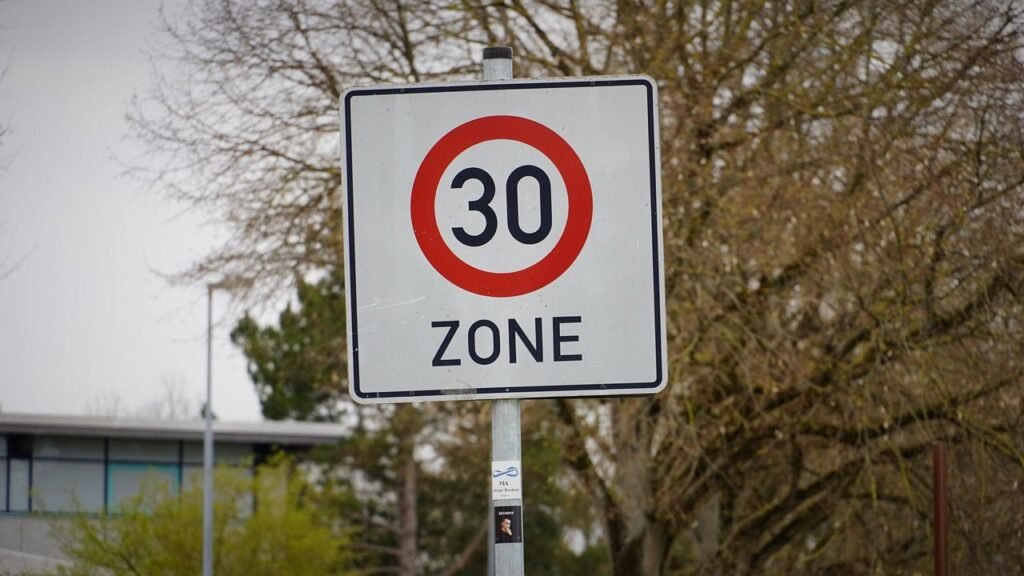
Speeding is just one part of a comprehensive update to the Department of Motor Vehicles point system. Previously, a driver in New York faced a license suspension review after accumulating 11 points within an 18 month period. Under the new rules taking effect in February 2026, that threshold is being lowered to just 10 points.

To make the system even more rigorous, the state is extending the look back period to 24 months. This means that tickets will remain active on your record for a longer duration, making it much easier for multiple minor violations to stack up and trigger a suspension. The goal is to identify high risk drivers earlier and remove them from the road before serious incidents occur.
Major penalties for distracted and reckless driving
The 2026 overhaul also places a heavy emphasis on distracted driving and the safety of school children. Point values for several common offenses are seeing a sharp increase. For instance, using a handheld cell phone while operating a vehicle will now result in 6 points, up from the current 5. This means that just two cell phone tickets within two years could lead to an automatic license suspension.
Protection for school buses and pedestrians has also been prioritized. Passing a stopped school bus or engaging in reckless driving will now carry a massive 8 point penalty. Additionally, failing to yield to a pedestrian is increasing from 3 points to 5 points. These adjustments reflect a zero tolerance policy for behaviors that put children and pedestrians at high risk.
New point carrying violations for 2026
In addition to increasing points for existing tickets, the state is introducing point penalties for violations that previously only carried fines. This change means that even minor equipment issues can now contribute toward losing your driving privileges.

- Speeding 1 to 10 mph over the limit is increasing from 3 to 4 points.
- Using a cell phone while driving is rising from 5 to 6 points.
- Failing to yield to a pedestrian is moving from 3 to 5 points.
- Reckless driving or passing a school bus is jumping from 5 to 8 points.
- Any speeding in a construction zone now carries a flat 8 point penalty.
- Equipment violations like broken lights will now add 1 point to your record.
- Illegal U turns and obstructing traffic will each result in 2 points.
- Failing to move over for emergency vehicles will now carry 3 points.
2026 Traffic Violation Point Comparison
The following table highlights the changes in point values for common traffic offenses starting in February.
| Violation Type | Current Points | New Points (Feb 2026) |
| Speeding (1 to 10 mph over) | 3 | 4 |
| Using a Cell Phone | 5 | 6 |
| Failing to Yield to Pedestrian | 3 | 5 |
| Passing a Stopped School Bus | 5 | 8 |
| Reckless Driving | 5 | 8 |
| Speeding in a Construction Zone | Varies | 8 |